
Seasonal drain checks for signs of blockages and damage
A drain often shows warning signs before water backs up indoors. Seasonal drain maintenance tips in Ireland start with clearing leaves and debris from external drains and gully traps in autumn, then checking for standing water, slow drainage and unpleasant odours in spring. In cold weather, water can freeze and expand inside pipes, putting pressure on them and restricting flow.
It’s easy to overlook a drain when it seems to be working normally. A seasonal check can help you spot changes early and decide whether a problem needs attention.
Here, you’ll learn what to check around your home in autumn and spring, how freezing conditions can affect household drains, and when professional maintenance may help. Look for signs of blockages or damage, and take recurring drainage problems seriously rather than waiting for a complete blockage.
Table of Contents
1. Cleaning external drains and gully traps in autumn
After a dry Irish summer, heavy autumn rain can run quickly over the ground and raise the risk of surface flooding. Clear leaves from gullies before storms so water can drain away from paths, driveways and entrances. After heavy rain, check whether water is flowing freely through the nearest gully.
Remove visible leaves, moss and litter from external drain grates and gully traps. Don’t push debris into the pipe, where it can collect and restrict flow. Look for standing water, a damaged grate or debris that returns after clearing. These signs may point to a blockage or a need for repairs. Keep children away from open gullies, and don’t reach into a drain if you can’t see what’s inside.
Clean gutters and downpipes two to three times during autumn. Leaves can collect at outlets and stop rainwater reaching the drain. Check for sagging sections, loose joints and visible blockages. After cleaning, make sure water flows through the downpipe into the drain instead of spilling over the edge. A gutter cleaner or suitable tool can help remove accessible debris, but avoid unsafe ladder work.
Responsibility depends on where the fault is. Homeowners generally deal with private drains serving their property, while Uisce Éireann, also known as Irish Water, is responsible for the public wastewater network. The location of the blockage is the key distinction.
Clean gutters two to three times over autumn. Check external drains during seasonal maintenance and clear them when leaves or other debris restrict the grate or water flow. How often they need attention depends on how quickly debris builds up around your property.
To reduce autumn blockages, use suitable gully covers to catch leaves and clear them regularly. Sweep fallen leaves and moss away from drain openings instead of washing them towards the grate. These simple steps help keep surface drains clearer during heavy rain.
2. Spring checks for soggy ground, odours and tree roots
Use spring, from March to May, to check for changes left by winter. Walk over the routes of your drains and the septic tank’s drainage area. Persistent wet patches, unusual odours or unusually lush strips of grass can indicate escaping wastewater or a drainage problem. Note where signs appear and whether they return after dry weather.
Check outdoor taps, hose connections and exposed pipes for drips or damp patches. Turn each tap off, then inspect the connection and nearby ground for fresh water. A leaking tap can keep soil wet, so distinguish a local leak from a soggy area over a drain. Repair dripping taps promptly and replace a split hose before using it again.
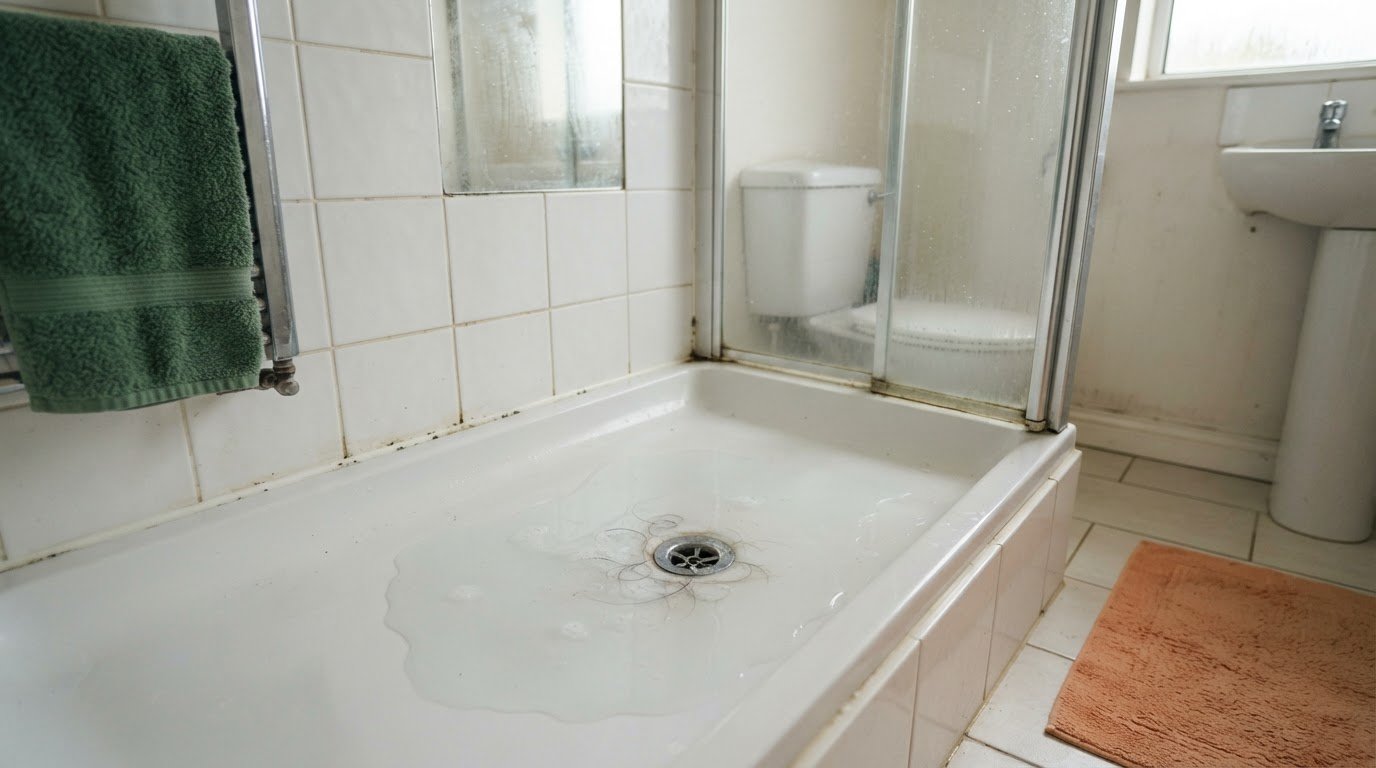
Slow sinks, showers or toilets need attention, especially when several fixtures drain poorly at the same time. This pattern can indicate a blockage further along the system. Gurgling sounds or recurring bad smells provide further clues. Tree roots can enter damaged pipe joints and restrict flow, so note nearby trees and where symptoms occur. Avoid repeatedly flushing a slow drain, as this can worsen an overflow.
For a septic tank, sludge should be pumped out when it occupies more than one third of the tank volume. The scum layer needs attention when it sits within 75 millimetres of the outlet pipe. These checks help identify when accumulated material may affect the system. Wet ground or persistent odours around the drainage area also warrant investigation.
After winter storms, inspect the roof from the ground for slipped tiles, damaged flashing or blocked gutters. Annual inspections are recommended for roofs over 15 years old, homes with a history of leaks, and after major storms. Water running down an exterior wall can point to a gutter or roof issue, rather than a drain blockage. Keep notes on recurring symptoms; their location and timing help distinguish surface-water problems from wastewater faults.
3. How cold weather affects household drains
Irish winter runs from December through February and brings the coldest average temperatures of the seasons. Frost can affect exposed outdoor pipes, particularly those beside an exterior wall or in an unheated space. Water expands as it freezes inside a pipe, creating pressure that may cause it to crack or burst. A leak may become apparent only after the ice thaws.
Frozen outdoor drains can restrict water flow. When water cannot drain away, it may collect in the yard, especially during heavy rain. Before frost, insulate exposed outdoor pipes and clear leaves or other debris from drain openings. Check that rainwater can flow away from paths and entrances rather than gathering beside the house.
Keep an eye on taps and drains during cold weather. A sudden drop in flow from an outdoor tap can indicate frozen pipework. Don’t try to thaw a frozen pipe with an open flame. If a pipe bursts, turn off the water at the stop valve, typically under the kitchen sink or in a utility area. As temperatures rise, look for damp patches or water around pipe joints.
Using indoor drains regularly can help prevent everyday residue from building up. After using the kitchen sink, run hot water for a few seconds to flush away leftover particles. Pouring hot water down household drains every few weeks is another suggested winter maintenance step. Don’t force water through a drain that is already backing up: an existing blockage needs attention, not repeated flushing.
Irish weather can shift between frost and heavy rain, so inspect exposed pipes and outdoor drains after a cold spell. If water remains in the yard after nearby drains are clear, or indoor fixtures repeatedly drain slowly, note where the problem occurs. These clues can help distinguish a frozen or restricted outdoor drain from a household pipe issue.
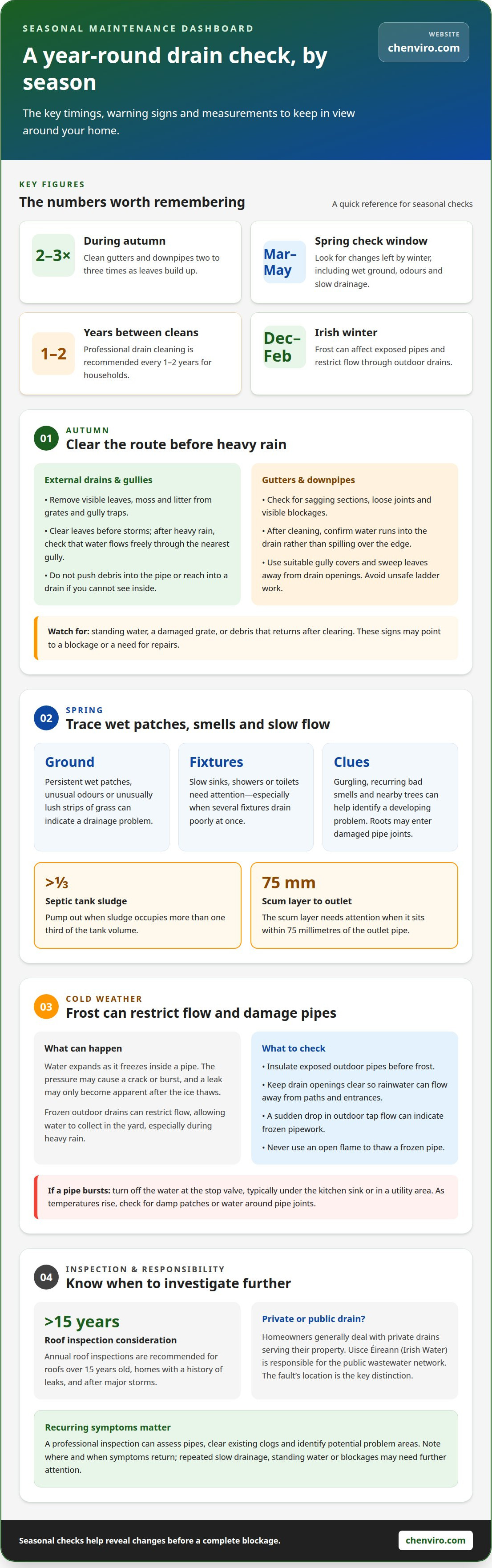
4. Professional drain cleaning and maintenance
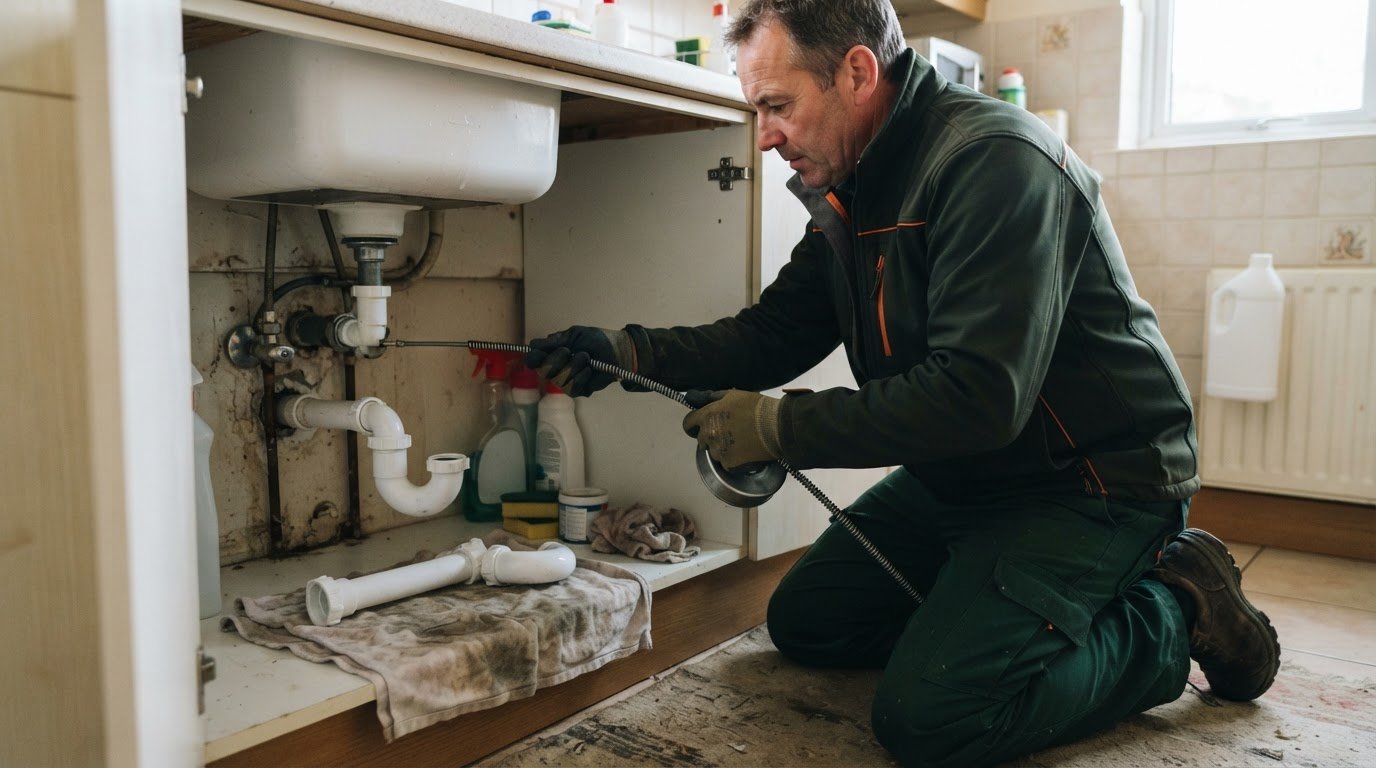
A professional inspection can assess pipes, clear existing clogs and identify potential problem areas. For households, professional drain cleaning every 1-2 years is recommended. It can be especially useful when a homeowner sees recurring slow drainage, standing water or blockages after seasonal checks. A clean grate doesn’t rule out a restriction further along the pipe.
Start by describing the symptoms clearly: which fixtures drain slowly, where water collects and when the problem began. Mention recent heavy rain or frost, along with previous blockages in the same area. These details help focus an inspection. A professional can assess the relevant pipes, clear a clog and identify whether the same section needs further attention.
Repeated blockages need more than another temporary clearance. If the problem returns after cleaning, a damaged pipe or another underlying issue may be contributing. An inspection can help distinguish a build-up from a structural concern. Clearing the immediate obstruction alone may not address the cause, so a targeted assessment can help determine the next practical step.
Some households use a professional maintenance programme that includes inspections twice a year. The right approach depends on the property, the condition of its drains and whether problems keep recurring. Keep a simple record of dates, affected fixtures and symptoms. For example, noting that a kitchen drain slows after heavy use gives a useful point of reference during an inspection.
Professional cleaning is not a substitute for sensible seasonal checks. Clear visible debris from accessible grates, then arrange an inspection if flow remains slow or water backs up. If blockages keep returning, arrange a professional drain assessment to investigate the cause and decide what attention the system needs.
CH Enviro: Grease Trap Cleaning & Maintenance
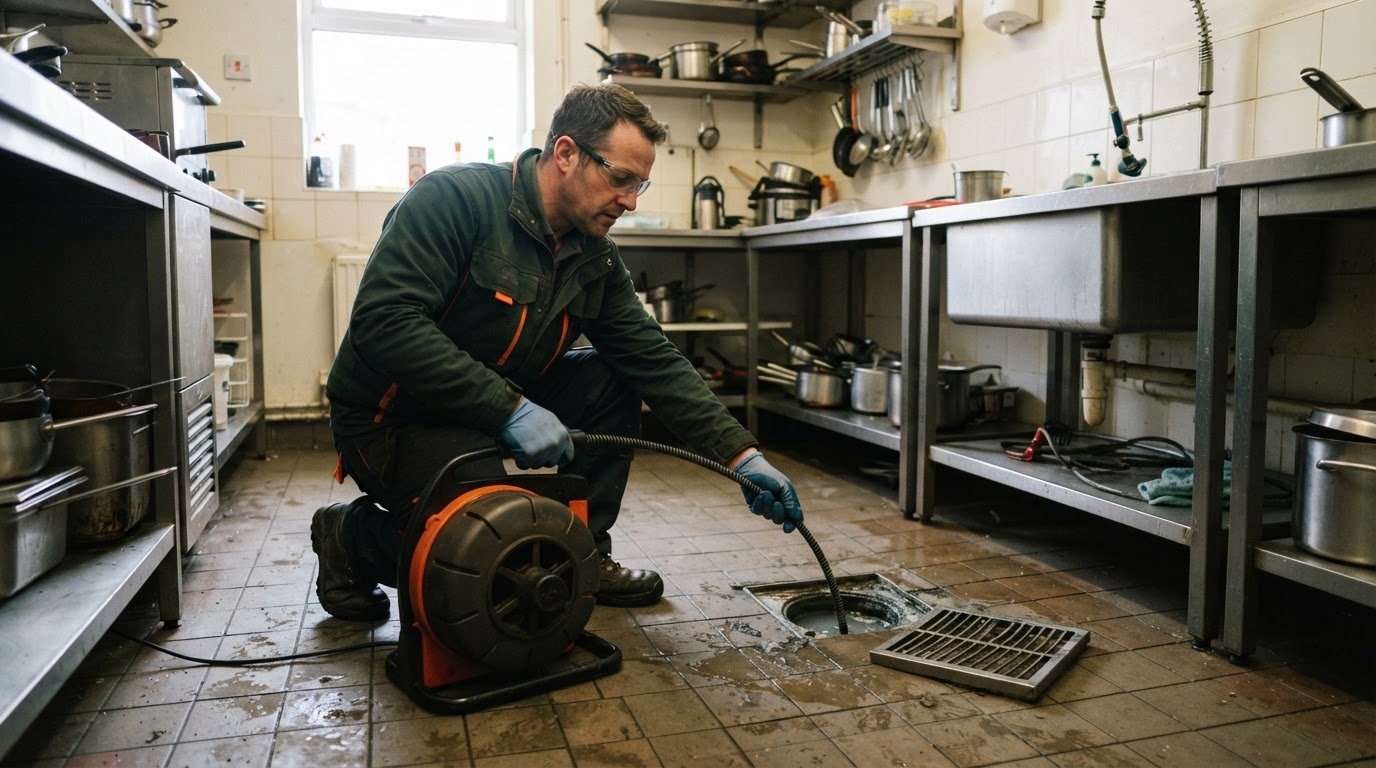
CH Enviro provides Grease Trap Cleaning & Maintenance for kitchens where fats and oils can collect and restrict drainage. For household drains, recurring slow flow or a stubborn blockage may need a different response. A Drain Unblocking Service addresses existing blockages, while a CCTV Drain Survey can help investigate recurring problems inside a pipe. If damage is identified, No-Dig Drain Repair offers a repair option without digging along the full pipe route.
Choose support according to the signs: a grease trap concern calls for maintenance, a blocked drain needs clearing, and recurring problems may need investigation. Seasonal checks help you describe what is happening and where, making it easier to identify the relevant service.
Contact CH Enviro to discuss the drain or grease trap issue.
Make your next drain check count
Use the seasonal drain maintenance tips for Ireland in this guide to make a practical plan for your property. Choose a suitable time for your next check, then decide what needs attention based on the drains’ condition and any recurring problems. A planned inspection can be more useful than waiting for a blockage to disrupt daily routines.
If you’re unsure whether a persistent problem needs clearing or closer investigation, describe the issue and affected area when seeking help. The right next step depends on what is causing the symptoms. Clear information helps focus attention on the problem rather than treating it as a routine seasonal task.
For support with a drain concern, contact CH Enviro about drain maintenance. A calm, informed next step can help you look after your drainage system with confidence.
Frequently Asked Questions
What seasonal drain maintenance should homeowners in Ireland do in spring, summer, autumn and winter?
For seasonal drain maintenance tips in Ireland, match checks to the season: inspect ground around drains in spring, watch for fast runoff after dry summer weather, and clear gutters and external drain openings as leaves gather in autumn. During winter, insulate exposed pipes and pour hot water down household drains every few weeks. Irish spring is March to May, summer is June to August, and winter is December to February.
What are the signs of a blocked or damaged drain, and what should you do?
Slow drainage, water backing up, persistent smells or a wet patch that keeps returning can signal a drain problem. Note which fixtures are affected and whether symptoms change after rain. This can help distinguish a local fixture issue from a wider restriction. Don’t force water through a backed-up drain. For recurring problems, a professional drain inspection or CCTV survey can help locate the cause.
Which drain cleaning methods are safe for DIY use, and which should be left to professionals?
Use seasonal drain maintenance tips in Ireland as a reminder to stop debris entering pipes: fit sink or shower screens and put collected material in the bin. Baking soda and vinegar is a suggested home remedy for a minor blockage. Avoid chemical drain cleaners, which can damage pipes over time. Leave persistent or recurring clogs to professional cleaning and investigation.
What drain maintenance precautions help protect septic tanks and private wastewater systems in rural Ireland?
For household septic systems, one biological treatment sachet per month is advised for households with up to six people; households with more than six people are advised to use two sachets monthly. A sachet doesn’t replace checking the system. If odours or wet ground persist around the treatment area, arrange assessment and cleaning where needed.
How can you safely dispose of fats, oils, wipes and other materials to prevent drain blockages?
Let fats and oils cool, collect them in a container, then put the container in the bin rather than pouring them into the kitchen sink. Flush only human waste and toilet paper. Put wet wipes and paper towels in the bin, even if they appear suitable for flushing. Keeping these materials out of pipes helps reduce avoidable household blockages.
Comments