
Preparing Drains for Winter Weather: Avoid Fat Clogs
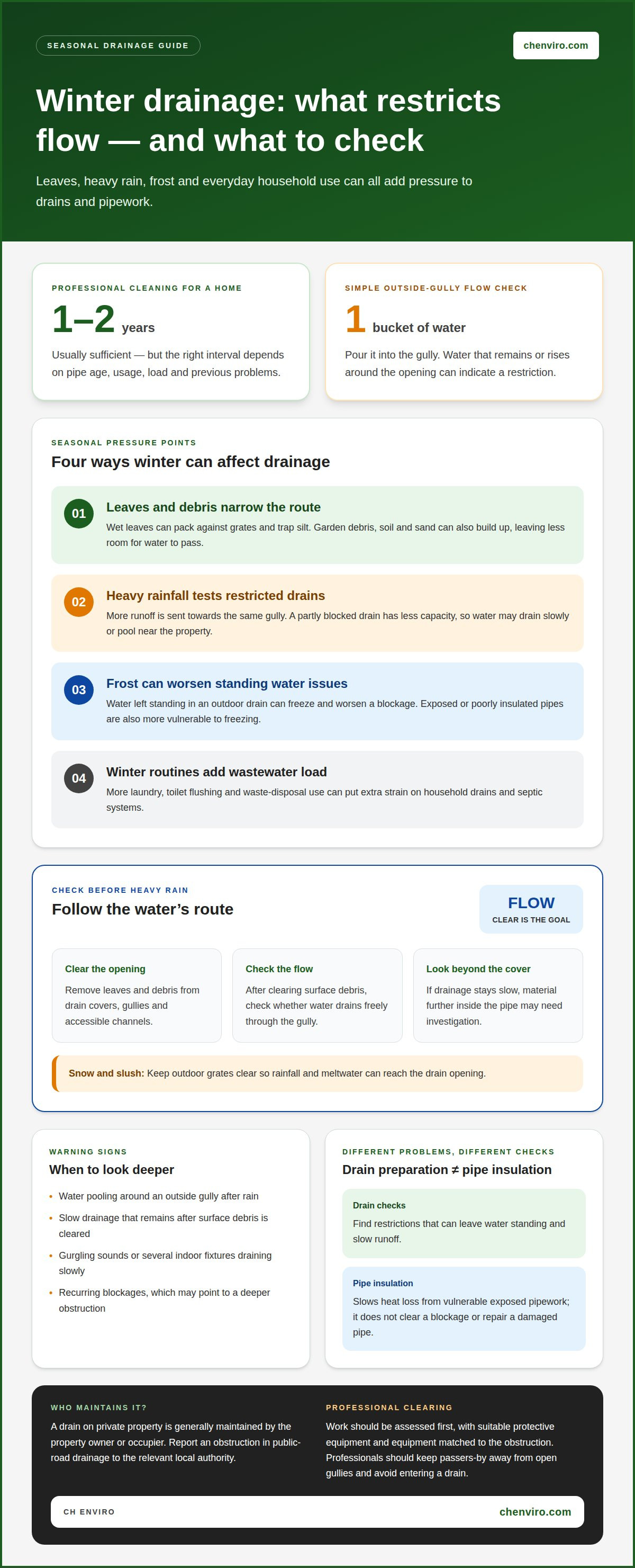
Can a small amount of cooking fat become a bigger drainage problem in winter? Yes. Fat poured down the sink can cool and harden inside pipework, narrowing the drain or causing a blockage. Preparing drains for winter weather means considering this risk alongside others: colder conditions can put added pressure on drains and septic systems already affected by everyday use.
It makes sense to focus on pipes when temperatures fall, but rain and wind matter too. Leaves and other debris can collect around outside drains, while heavy rainfall tests whether water can flow away freely. Exposed or poorly insulated pipework may also be vulnerable to frost.
This article explains how fat, cold, rainfall and debris can combine to cause problems, and how increased laundry and toilet use can put extra strain on drains and septic systems. You’ll learn what a professional winter check can cover, when recurring blockages may point to a deeper pipe issue, and which warning signs need attention before a minor restriction becomes more disruptive.
Table of Contents
1. Why Do Drains Block More in Autumn and Winter?
Preparing drains for winter weather starts with clearing autumn leaves from outside drains and gully gratings. Wind can pack wet leaves against a grate, trapping silt and restricting the opening. Water then drains more slowly, especially when heavier rainfall sends more runoff towards the same gully.
A partly blocked drain has less capacity to carry rainwater away. After rain, check whether water is pooling around an outside gully. Slow drainage can signal an obstruction that needs clearing. In colder weather, water left standing in an outdoor drain can freeze and worsen the blockage. Ice can also form in gutters when leaves and dirt hold water back, contributing to overflow, leaks or gutter damage.
Responsibility depends on the drain’s location. A drain on private property is generally maintained by the property owner or occupier. An obstruction in public-road drainage should be reported to the relevant local authority. The gully’s location can help distinguish between the two.
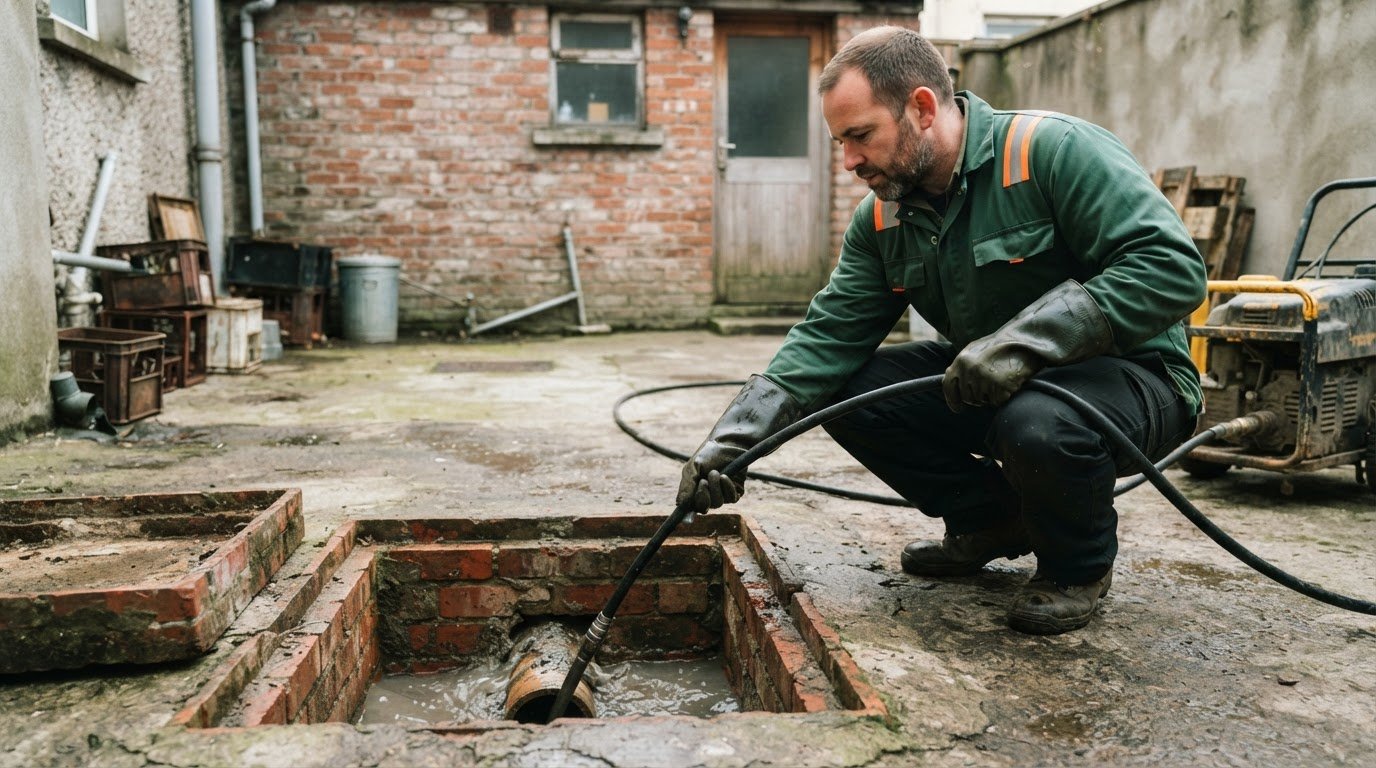
To reduce flooding risk during heavy rain, a professional can clear leaves and debris from gullies and drain covers, then check that water flows freely. Clearing a blockage restores the route for runoff, but recurring pooling can point to a deeper obstruction.
Professionals should assess the work area before clearing a drain, wear suitable protective equipment and keep passers-by away from open gullies. They should avoid entering a drain and use equipment suited to the obstruction. These precautions matter around wet surfaces, traffic and contaminated water.
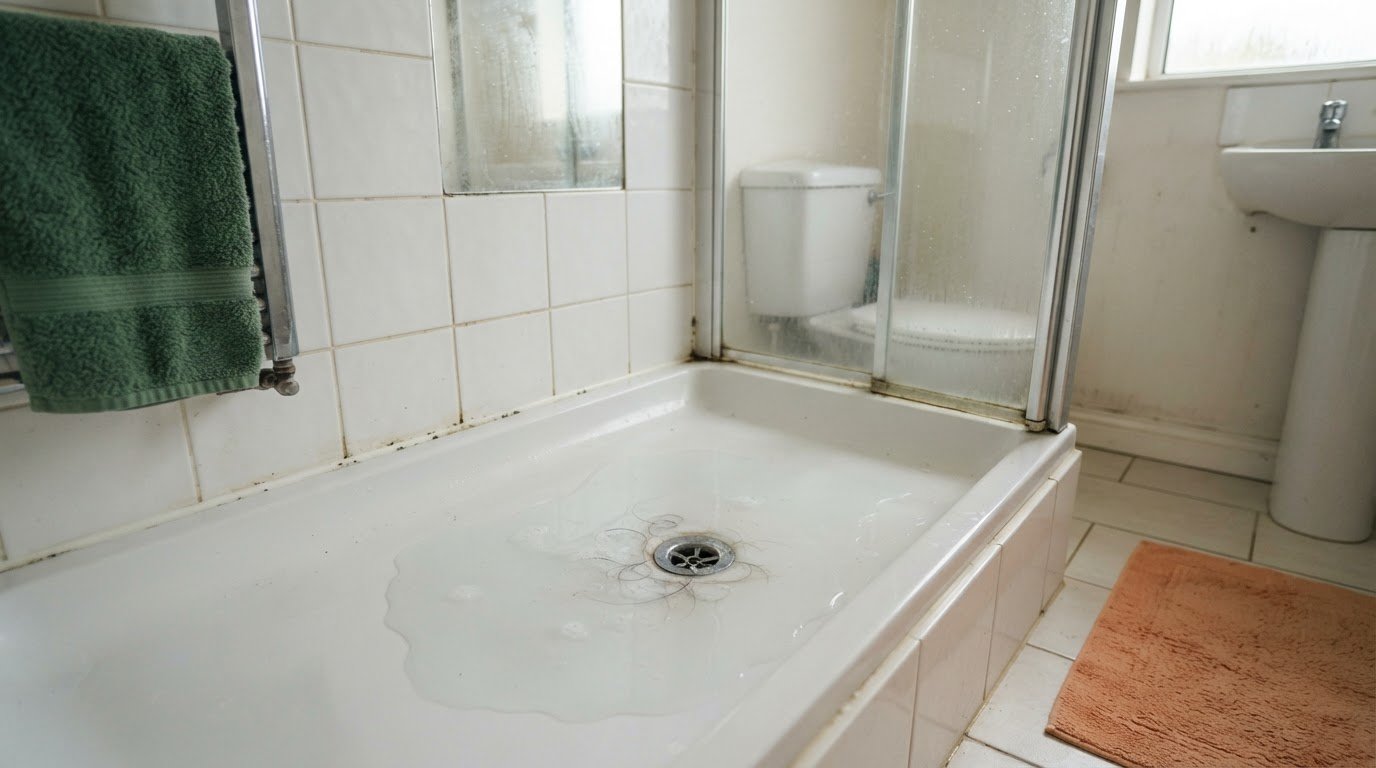
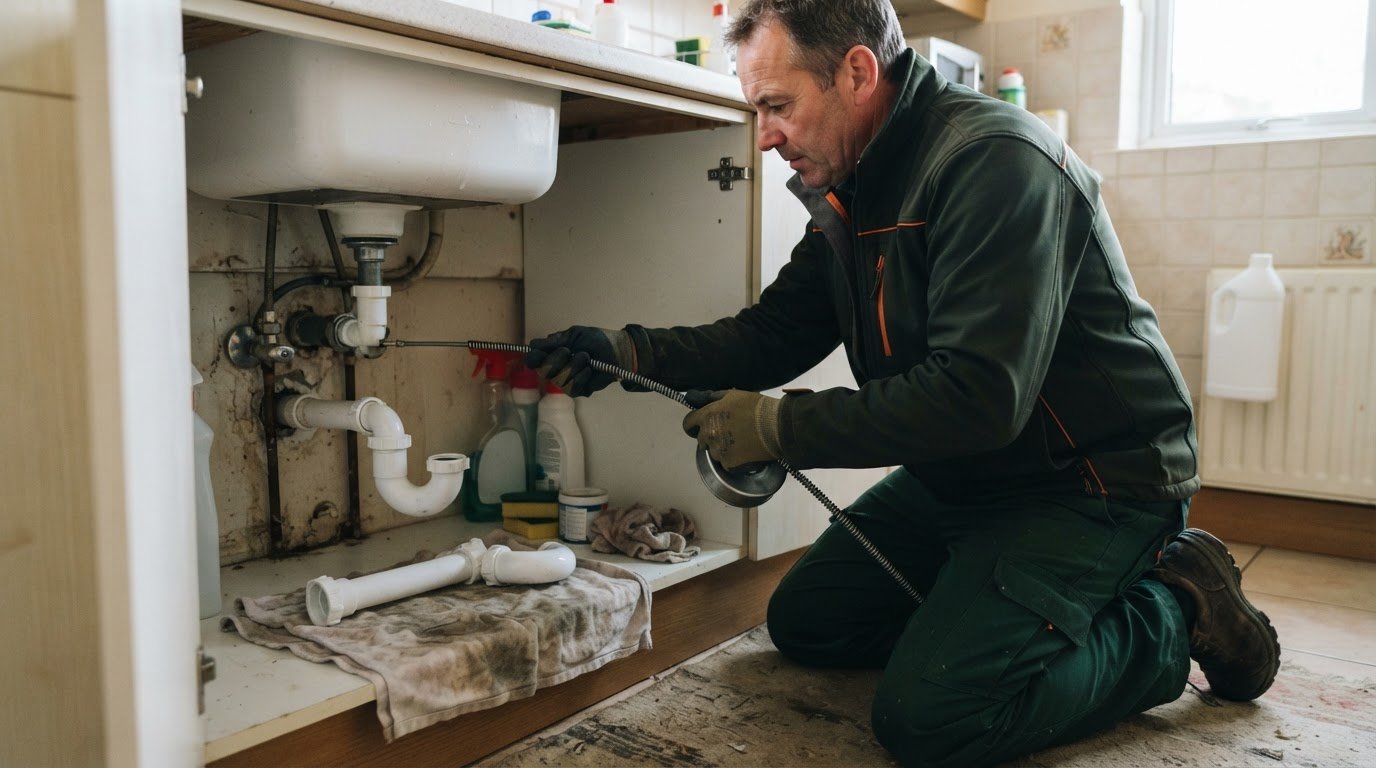
Indoor checks matter too. A professional can inspect sinks, showers and other slow-running drains for fat, soap scum or sludge narrowing the pipework. Gurgling sounds or several affected fixtures can indicate a blockage further along the system. Finding the cause helps determine whether clearing the drain is enough or further investigation is needed.
2. Covering and insulating exposed outdoor pipework
Exposed pipes lose heat faster than pipework inside heated rooms. In cold weather, water inside them can freeze and expand, putting pressure on the pipe and potentially causing cracks or ruptures. Pay attention to outdoor taps and pipes along external walls as autumn temperatures fall, especially where insulation is missing or damaged.
A professional can identify vulnerable sections, fit suitable insulation around exposed pipework and cover outdoor taps. Insulation should protect the pipe evenly, including bends and joints, where gaps can leave sections exposed to cold air. It helps slow heat loss, but does not clear a blockage or repair a damaged pipe.
To help prevent drains and pipes from freezing, a professional can assess exposed runs, outdoor taps and areas where water may be left standing. They can insulate vulnerable pipework and identify drainage issues that need separate attention.
Unheated spaces need attention too. Pipes running through a garage, attic or other cold area can be at risk, even inside the building. During a professional check, these runs can be traced and assessed for insulation gaps, cold draughts and sections close to external walls. Preparing your home in autumn gives you time to address weaknesses before colder conditions arrive.
Pipe insulation and drain preparation are related, but they solve different problems. Insulating a water pipe reduces its exposure to frost; checking drainage helps identify restrictions that can leave water standing. Rainfall can also reveal leaks or poor flow around outdoor pipework, so an assessment should consider the pipe’s condition as well as its insulation.
If exposed pipework is difficult to access or already shows signs of damage, arrange a professional assessment before freezing weather sets in. A clear inspection can establish which sections need insulation and whether a separate repair is required.
3. Rainfall, leaves and debris affecting drainage
In Ireland, heavy rainfall can overwhelm an outside drain already restricted by leaves, soil or sand. Garden debris may wash towards a gully, while wind can blow leaves onto drain covers. As material builds up, water has less room to pass through and may pool near the property instead of flowing away.
A professional winter inspection focuses on the drain opening and the route water takes. The work can include removing leaves, silt and other debris from drain covers, gullies and accessible channels. Clearing the cover alone may not resolve slow drainage if material has collected further inside the pipe, so check the flow after removing the obstruction.
To test an outside gully, a professional can pour a bucket of water into it and see whether it drains freely. If water remains or rises around the opening, that can indicate a restriction needing further attention. Before forecast heavy rain, this check can help identify poor flow while there is time to address the cause.
How often should drains be professionally inspected and cleaned before winter? For a home, cleaning every year or two is usually sufficient, but the right interval depends on the pipework’s age, usage, load and previous problems. A property with recurring blockages or heavy debris around its garden may need attention sooner.
During winter, professionals can remove leaves, debris and snow from outdoor drains, then check that water can reach the drain opening. Do not leave snow and slush covering a grate, as they can obstruct the route for rainfall and meltwater. If a drain remains slow after surface debris is cleared, further inspection can help locate a deeper obstruction rather than treating the cover as the only cause.
4. Increased winter strain on septic systems and drains
Winter routines can increase the amount of wastewater moving through household drains. More laundry, toilet flushing and use of a waste disposal unit can put extra strain on pipes and septic systems. This pressure comes from repeated daily use, not simply from cold weather. A system with existing restrictions may struggle as more water and waste pass through it.
For example, several washing-machine loads, frequent toilet use and kitchen waste disposal can add up in a busy household. If water is already draining slowly, that added use may make the restriction more noticeable. A septic system also has to receive and process wastewater, so changes in household demand matter throughout the season.
Look for a pattern, not just one slow sink. Gurgling or recurring drainage problems across several fixtures can indicate an issue deeper in the pipework. If toilets and sinks are affected together, the problem may involve a shared drain rather than one individual fitting. Early attention can help identify the cause before wastewater backs up or contributes to flooding.
Preparing your drains for winter means considering household use as well as outdoor conditions. A professional assessment can look for blockages, restricted flow and signs that a septic system needs attention. The appropriate work depends on whether the issue lies in a drain, pipe or tank. Share useful details about repeated symptoms, including which fixtures are affected and when the problem occurs.
Keep an eye on changes as the colder season begins. If slower drainage returns after an obstruction has been cleared, or several fixtures show problems, arrange a closer assessment rather than treating each symptom separately. For a septic system that needs servicing, arrange septic tank cleaning as part of your winter preparation.
CH Enviro
CH Enviro can assess drainage concerns before winter and respond when blockages or recurring slow flow need professional attention. Its Drain Unblocking Service can address an obstruction, while a CCTV Drain Survey can help identify deposits, damage or other issues deeper inside pipework. If an inspection finds pipe damage, No-Dig Drain Repair may provide an option without excavation. Septic Tank Cleaning is available when a septic system needs servicing.
Share the symptoms you’ve noticed, such as gurgling, repeated blockages or several affected drains. This helps focus attention on the right part of the system. If your drains or septic system need professional attention as colder weather approaches, contact CH Enviro to discuss the next step.
Take the next step before colder weather
A professional assessment is easier to focus when the symptoms are clear. Note where water drains slowly, whether more than one fixture is affected, and whether the problem returns after rain or household use. These details can help distinguish an isolated obstruction from an issue affecting a wider section of the drainage system.
When preparing drains for winter weather, timing matters most if there are already signs of restricted flow, recurring blockages or water backing up. Acting before these problems worsen gives a professional the opportunity to assess the cause and recommend appropriate work. If several drains are affected, do not treat repeated symptoms as separate incidents.
CH Enviro can discuss your drainage concerns and help identify a suitable next step. Share what you’ve noticed and where it occurs, then arrange professional advice for your property. Contact CH Enviro for drain advice and take a practical step towards a more prepared winter.
Frequently Asked Questions
Can pouring fat down the sink cause blockages in winter?
Yes. Cooking fat can cool and harden inside pipework, narrowing the passage and contributing to a blockage. In colder conditions, avoid washing fat away with hot water, as it can still cool further along the pipe. Collect cooking grease in a container, let it solidify, then put it in the bin rather than pouring it down the sink.
How can a professional prepare your outside drains for winter?
A professional can inspect outside gullies and drain covers, remove accumulated material, then check that water flows through the system. If a gully still drains poorly after its opening is cleared, the restriction may lie further inside the pipe. A camera survey can help locate deposits or damage, giving a clearer basis for deciding what work is needed.
What should you keep out of the kitchen sink over winter?
Keep cooking fat and grease out of the sink. Pouring them down the drain can leave hardened deposits inside the pipe and narrow the flow. Instead, collect grease in a container, let it solidify and put it in the bin. This simple change reduces what enters the kitchen drainage system during the colder season.
When should you contact a professional?
Contact a professional if slow drainage keeps returning, several fixtures are affected, or you notice gurgling from sinks and drains. These signs can point to a restriction beyond an individual plughole. If water backs up or an outdoor drain cannot carry water away, describe where the symptoms occur and whether they worsen during rainfall. This information helps direct an inspection.
Why do drains block more in autumn and winter?
Seasonal conditions can combine: leaves and debris restrict outdoor drain openings, while heavier rainfall sends more water towards them. Cold weather can also freeze water left standing in an outdoor drain. Indoors, fat and other deposits can build up in pipes. A partly restricted system has less capacity to cope when rainfall or household wastewater increases.
How can a professional prepare outdoor drains for winter in Ireland?
In Ireland, a professional can assess outside gullies and drain covers, remove leaves and debris, and check that water runs away freely. Where poor flow continues after the surface is cleared, further inspection can help locate a deeper obstruction. CH Enviro’s Drain Unblocking Service can address blockages, while a CCTV Drain Survey can help investigate problems inside pipework.
Comments