
Integrated Pest Management for Wicklow Facilities
A pest response that starts and ends with spraying can miss the conditions attracting pests. Integrated pest management for facilities in Wicklow combines prevention, inspection, monitoring and suitable control measures. It considers non-chemical options before targeted chemical treatment where needed, helping manage pest activity while limiting unnecessary intervention.
When pests threaten a workplace, stock or daily operations, it is natural to want a clear answer. The right programme depends on the building, its use, the pest identified and inspection findings. Visit frequency can therefore vary rather than follow one fixed timetable.
This article explains what IPM involves, what inspections and monitoring cover, and which factors affect visit frequency. It also shows how programmes can suit different business sectors, helping you understand the process and decide on a practical next step for your facility.
Table of Contents
How often are commercial pest control visits required?
No single visit interval suits every Wicklow facility. A food unit with repeated pest activity may need closer monitoring than a low-risk office. The schedule depends on pest type, site layout, previous findings, seasonal pressure and how quickly staff report signs. A planned programme sets inspection points and review dates, while an emergency call-out addresses active problems between visits.
For food businesses, inspections should focus on contamination risks around deliveries, storage, waste areas and food-handling spaces. Monitoring records can track droppings, damaged packaging or insect activity, then guide corrective action. In manufacturing and warehousing, checks may prioritise loading bays, stock, machinery edges and structural gaps. Non-food offices and industrial sites need a plan suited to their activities, building access and nearby waste or drainage conditions.
Choose an IPM provider when you need pest identification, prevention, monitoring and measured control actions, rather than chemical treatment alone. Conventional pest control may focus more narrowly on an active infestation. Ask how inspection findings and follow-up shape the programme, including when chemical measures are considered.
In Ireland, the European Union says Directive 2009/128/EC requires professional users of plant protection products to follow the general principles of integrated pest management from 1 January 2014. The European Union also states that Regulation (EC) No 1107/2009 governs approval of plant protection products, while Directive 2009/128/EC covers their sustainable use. Food premises should incorporate pest monitoring and corrective action into contamination-prevention procedures.
Commercial pest-control and IPM costs in Wicklow depend on the site, pest activity, inspection frequency and work required; pricing is provided after a quote request. These factors shape the scope, whether the need is a planned programme or a specific call-out.
Pesticides are considered when monitoring identifies a pest problem that prevention and non-chemical controls have not adequately addressed. Their use should target the identified pest and account for people, food, stock and the surrounding environment. Incorrect or poorly targeted chemical use can expose non-target organisms and contaminate nearby areas, so safe application and follow-up matter.
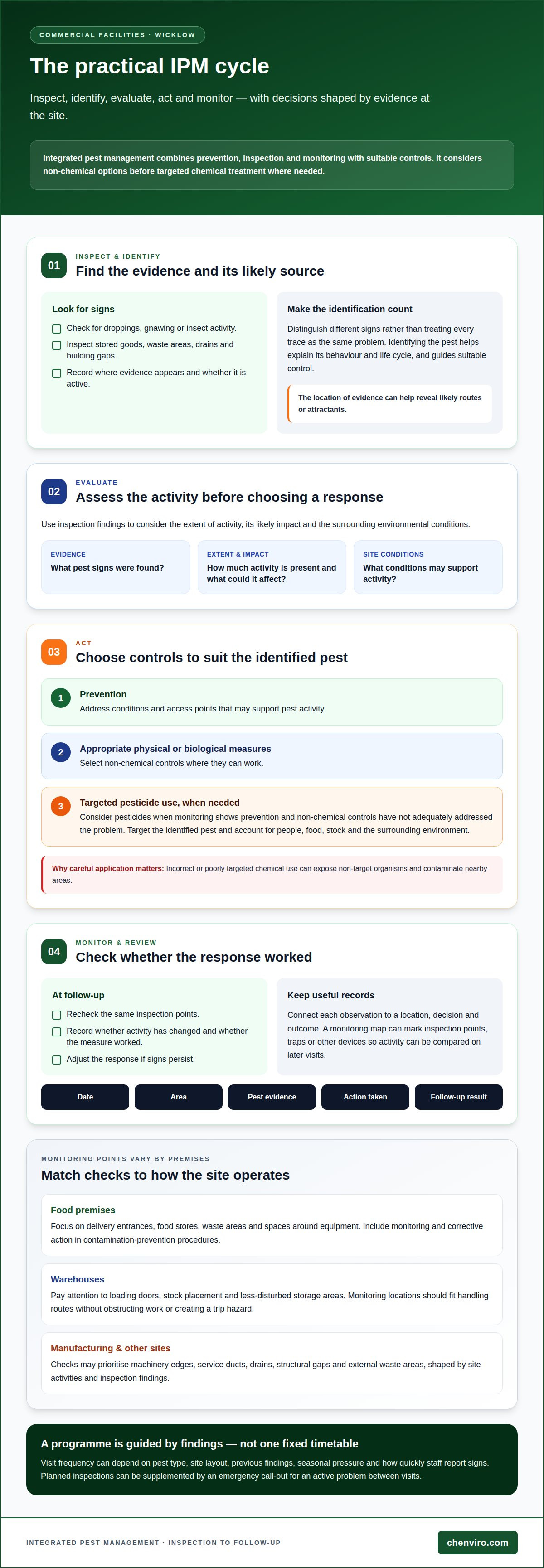
IPM inspection, identification, evaluation, action and monitoring
A practical IPM plan sets out inspection steps, pest reporting, control choices and follow-up. Records should show findings, the reason for treatment and outcomes. The contractor agreement should define responsibilities and reporting.
Inspection and Pest Identification
An inspection looks for pest evidence, access points and conditions that support activity. Checks may cover stored goods, waste areas, drains and gaps in the building. Findings should distinguish signs such as droppings, gnawing or insect activity, rather than treating every trace as the same problem.
Accurate identification helps explain a pest’s behaviour and life cycle, guiding suitable control. In crop settings, monitoring plants can reveal harmful organisms and damage before a response is chosen. Record where evidence appears and whether it is active; its location can help identify likely routes or attractants.
Evaluation, Action and Monitoring
Evaluation considers the extent of activity, its likely impact and the surrounding environmental conditions. Then select controls suited to the identified pest, starting with prevention and appropriate physical or biological measures where they can work.
After taking action, monitor whether the measure worked and whether activity has changed. Record results at the same inspection points, then adjust the response if signs persist. For crops, observations of pest presence and plant damage help inform decisions and assess crop protection measures.
Treatment Records and Monitoring Maps
Useful records connect each observation to a location, decision and outcome. A monitoring map can mark inspection points, traps or other devices, making activity easier to compare on later visits. Keep entries clear: include the date, area, pest evidence, action taken and follow-up result.
In Ireland, professional users of plant protection products must keep records demonstrating how they applied IPM principles. If a product is used, record the reason and the success of the crop protection measure. A contractor agreement should explain the inspection scope, reporting arrangements, treatment records and who acts on findings.
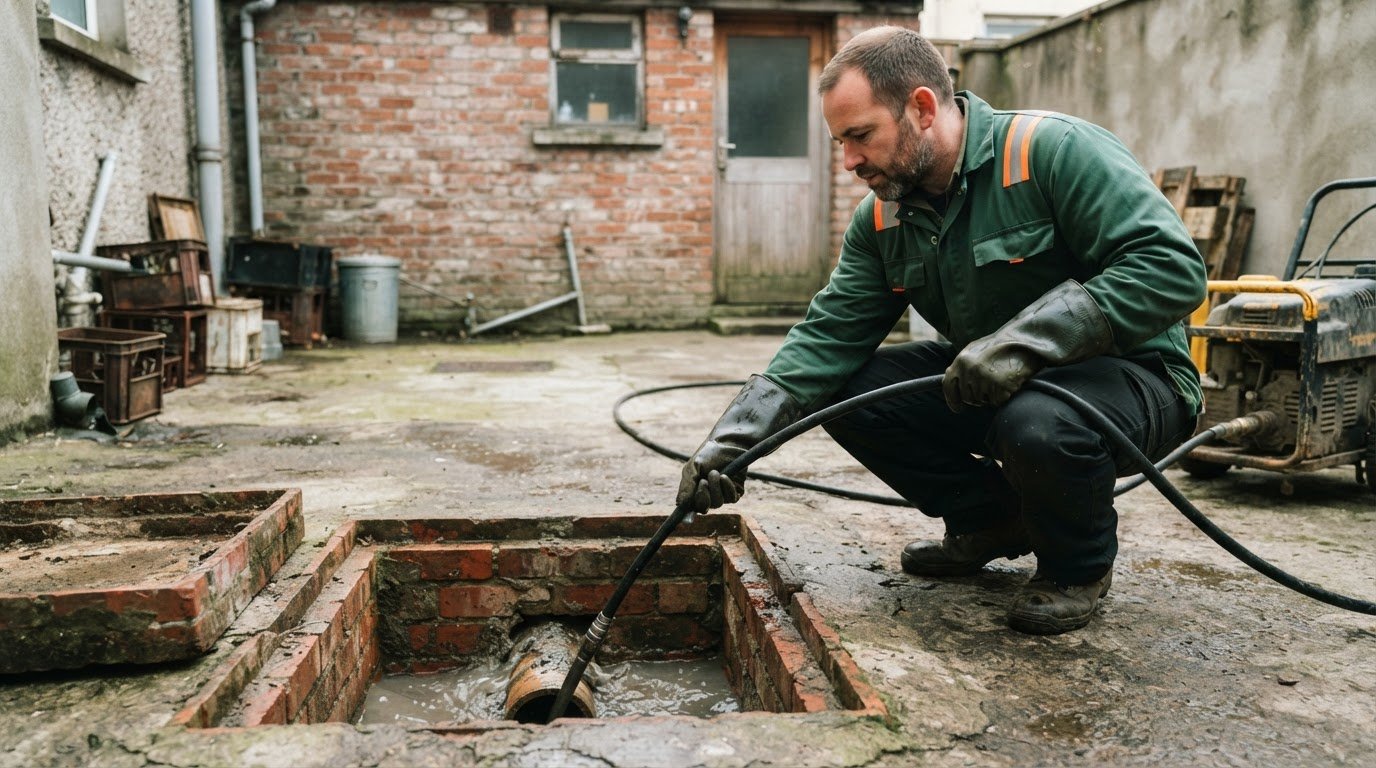
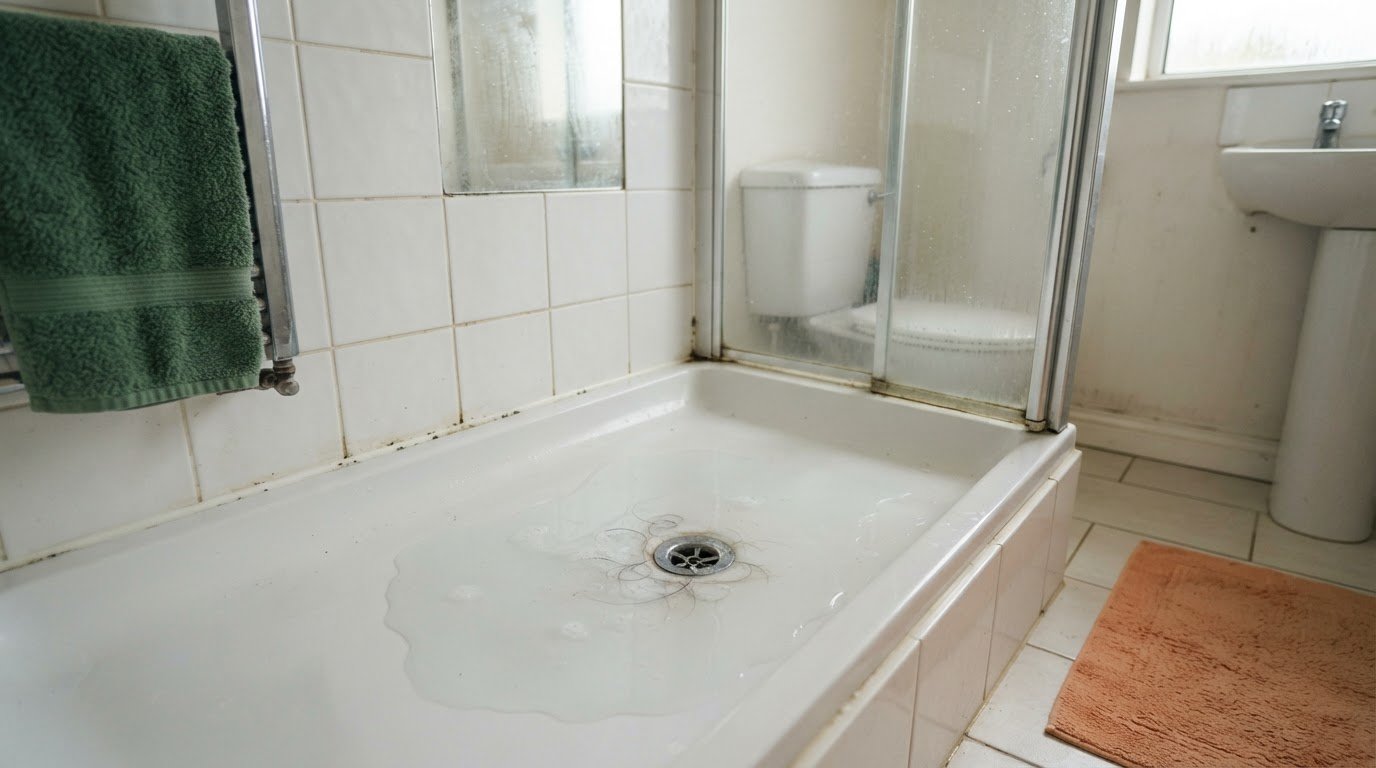
Where drains or wastewater conditions may provide pest access or attractants, review drainage-related issues as part of the site assessment.
Integrated pest management programmes tailored to business sectors
A useful programme reflects how a Wicklow premises operates, not just its floor area. Technicians can map activity against deliveries, waste handling, stored materials and staff movement. This helps distinguish a recurring access route from an isolated sighting. Each sector needs different monitoring points and prevention measures.
In food premises, a programme can focus on delivery entrances, food stores, waste areas and spaces around equipment. Monitoring near a receiving bay, for example, can help identify activity linked to incoming goods. Site procedures can also require prompt reporting of pest signs and checks that food and packaging remain protected during response work.
Warehouses need attention to loading doors, stock placement and less-disturbed storage areas. Monitoring locations should make sense beside these routes without obstructing handling or creating a trip hazard. If signs appear beside stored goods, technicians can assess nearby access points and review stock arrangements rather than treating the whole building without evidence.
Machinery, service ducts, drains and external waste areas can affect pest access at manufacturing and industrial sites. An inspection can identify zones sensitive to disruption and where physical exclusion or housekeeping changes may help. A gap around a service entry, for example, calls for a different response from activity beside a waste collection point.
Offices and customer-facing premises usually need a quieter, targeted approach around kitchens, refuse areas and building entrances. Monitoring devices should be placed appropriately and recorded clearly, so staff can report activity without disturbing them. Sites with public access may also need agreed reporting and treatment arrangements around operating hours.
Across sectors, review the plan after changes such as a new delivery route, an altered storage layout or recurring pest evidence. This keeps monitoring relevant to how the premises operates. Check that every action has a clear reason, a responsible person and a follow-up. That makes an IPM programme specific, usable and easier to maintain.
Common pests in County Wicklow, Ireland premises?
The pests found in a facility depend on its activities, layout, food sources and access points. In County Wicklow, an inspection should identify organisms from the evidence rather than assume every sighting has the same cause. Rodents, crawling insects and flying insects are examples to consider. Their location and the evidence type help narrow the assessment.
Rodent signs can include droppings, gnaw marks, damaged packaging or activity along walls. Note where signs appear, such as near a loading entrance, waste area or food store. A pattern can point to access routes or attractants. Sealing entry points and managing waste may address contributing conditions alongside targeted control.
Insects call for a different response. Ants may appear along edges or around food residues, while flies may gather near waste or drains. Stored products can attract particular insects, so inspect affected packaging and nearby storage areas. Identify the pest before choosing a measure, then monitor the same location to see whether activity continues.
Birds can create problems around roof spaces, ledges and open loading areas. Note where they enter, perch or leave nesting material. The response should account for the building’s access points and avoid disturbing unrelated areas. An inspection can also record gaps, damaged seals or waste accumulation that may support pest activity.
For integrated pest management for facilities in Wicklow, record the date, location and evidence, then compare findings during follow-up inspections. A single insect near an entrance does not establish an infestation; repeated signs in a store or service area call for closer assessment. This evidence-led approach distinguishes an isolated occurrence from a recurring site issue and guides proportionate action. A programme of integrated pest management for facilities in Wicklow can use these observations to shape site-specific prevention and monitoring.
If droppings, insect activity or damaged goods recur, arrange a professional assessment of the affected premises. Get help assessing pest activity and the conditions contributing to it.
CH Enviro
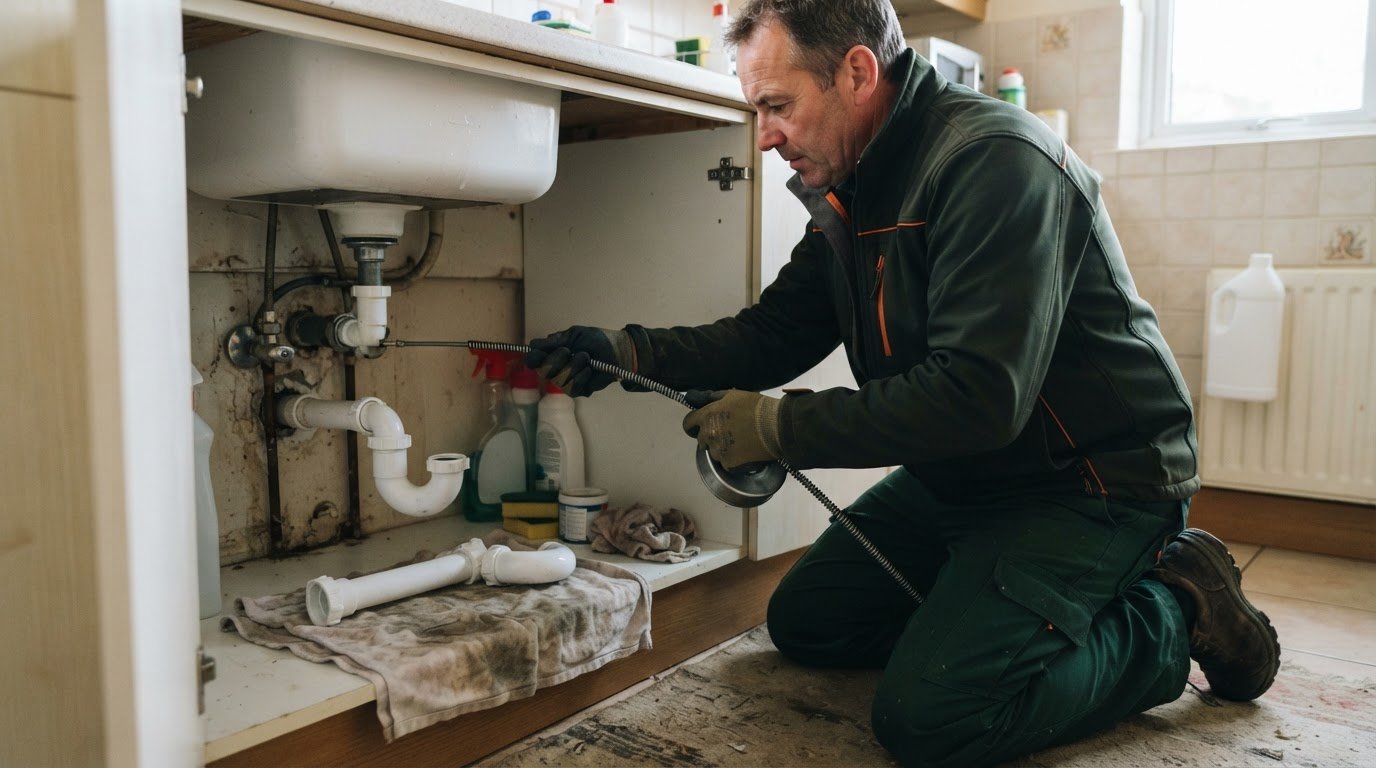
CH Enviro can help Wicklow facilities address drainage and wastewater issues as part of wider site maintenance. If blocked drains, recurring drainage concerns or wastewater systems need attention, these services can support a cleaner, better-managed premises. A CCTV Drain Survey can investigate drainage condition, while No-Dig Drain Repair addresses suitable pipework problems without excavation. Septic Tank Cleaning is relevant to facilities using septic systems.
These services complement an IPM programme; they do not replace pest inspection, identification or monitoring. Consider drainage support when site observations point to blocked or damaged drains, or septic tank maintenance is needed. Sharing the affected area and the observed issue helps clarify the practical next step.
Contact CH Enviro to discuss the drainage or wastewater issue affecting your facility.
Make your next facility review count
Turn inspection findings into a practical maintenance decision. For integrated pest management for facilities in Wicklow, connect pest observations with the wider condition of the premises, including access points and building systems. This helps your team recognise when a recurring issue needs attention beyond routine cleaning or storage changes.
Agree who records new signs, who receives inspection updates and how follow-up actions are tracked. Review responsibilities when the site layout or daily operations change. A clear process helps staff act on evidence promptly and connects pest management to day-to-day facility care.
If an inspection identifies a drainage concern, CH Enviro offers a Drain Unblocking Service, CCTV Drain Survey and No-Dig Drain Repair. These services address drainage issues rather than replace a pest management programme. Consider them when findings point to a drain blockage or pipework concern.
Contact CH Enviro to discuss your facility’s needs, and take the next step towards a well-managed site.
Frequently Asked Questions
What is Integrated Pest Management (IPM)?
Integrated Pest Management is a planned approach to preventing and managing pest problems with suitable control methods. It considers the pest, the conditions supporting it and the potential impact of treatments. For example, a facility might address an entry gap and improve waste handling before considering targeted chemical control. The approach aims to manage pests while limiting avoidable environmental, health and economic risks.
Can you provide a pest control contract for a nursing home or care facility?
CH Enviro provides a Vermin Control Service for facility pest issues, including those arising in care settings. A written pest-control arrangement should clarify responsibilities: which areas are covered, how staff report signs, what inspections record and how follow-up is handled. For a nursing home, the plan should also account for resident areas, food preparation spaces and safe access during treatment.
Do I need pest control documentation for an EHO inspection?
Keep organised records that explain how pest risks are managed at your premises. Useful examples include inspection findings, monitoring locations, pest reports, actions taken and follow-up results. For professional users of plant protection products, Irish IPM requirements include records showing how principles were applied. Food premises can use clear documentation to show how identified pest concerns were addressed.
What are the general principles of IPM?
The general principles include preventing or suppressing harmful organisms, monitoring pest activity, identifying pests accurately and choosing appropriate controls. Use sustainable biological, physical or other non-chemical methods where suitable. If a pesticide is needed, select one as specific as possible to the target pest and use only necessary levels. Record the action and assess whether it worked.
Who should use IPM?
IPM is relevant to anyone responsible for managing pests in a facility, including businesses, property managers and professional users of plant protection products. Its practical steps differ by setting. A warehouse might focus on stock and loading areas, while a care facility may need careful coordination around resident spaces. The common starting point is recognising pest risks and choosing controls suited to the site.
What is integrated pest management (IPM) for commercial facilities?
For a commercial facility, IPM is a site-based system for managing pest risks alongside normal operations. It links building access, deliveries, storage, waste handling and staff reporting to suitable prevention and control actions. Recurring signs near a loading entrance, for example, may prompt a review of incoming goods and door access. The plan should suit the premises and be reviewed as operations change.
Comments